Introduction: Why Quantum Computing Matters More Than Ever
Imagine solving problems in minutes that would take today’s fastest computers thousands of years.
Imagine discovering life-saving medicines faster, predicting climate change more accurately, and building unbreakable cybersecurity systems.
This is not science fiction.
This is Quantum Computing.
As technology evolves, traditional computers are reaching their limits. The world now faces challenges so complex that classical computing struggles to keep up. Quantum computing is emerging as the next technological revolution, and students who understand it today will shape tomorrow’s innovations.
In this in-depth guide by Edvicon, we’ll break down quantum computing in a clear, student-friendly way—covering what it is, why it matters, real-world applications, career opportunities, challenges, and future trends.
What Is Quantum Computing?
Quantum computing is an advanced form of computing that uses the principles of quantum mechanics—the science that explains how particles behave at the smallest scale.
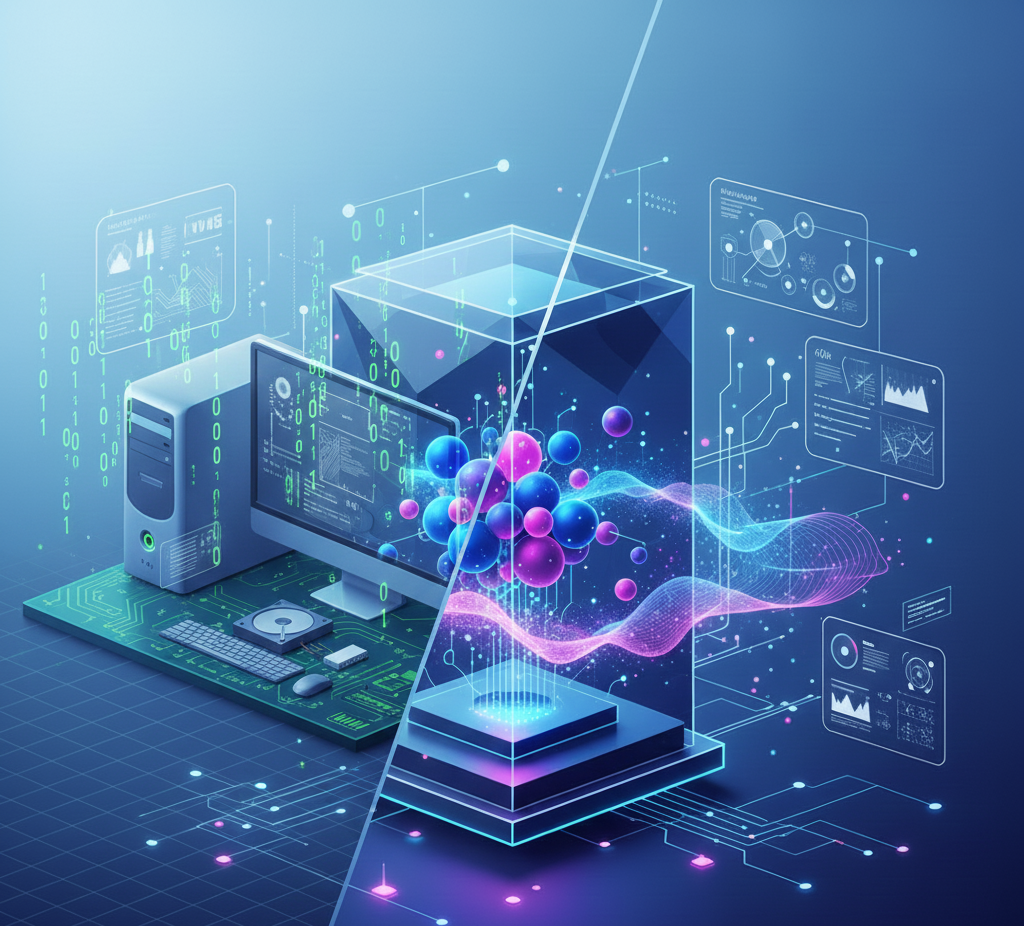
Classical Computing vs Quantum Computing
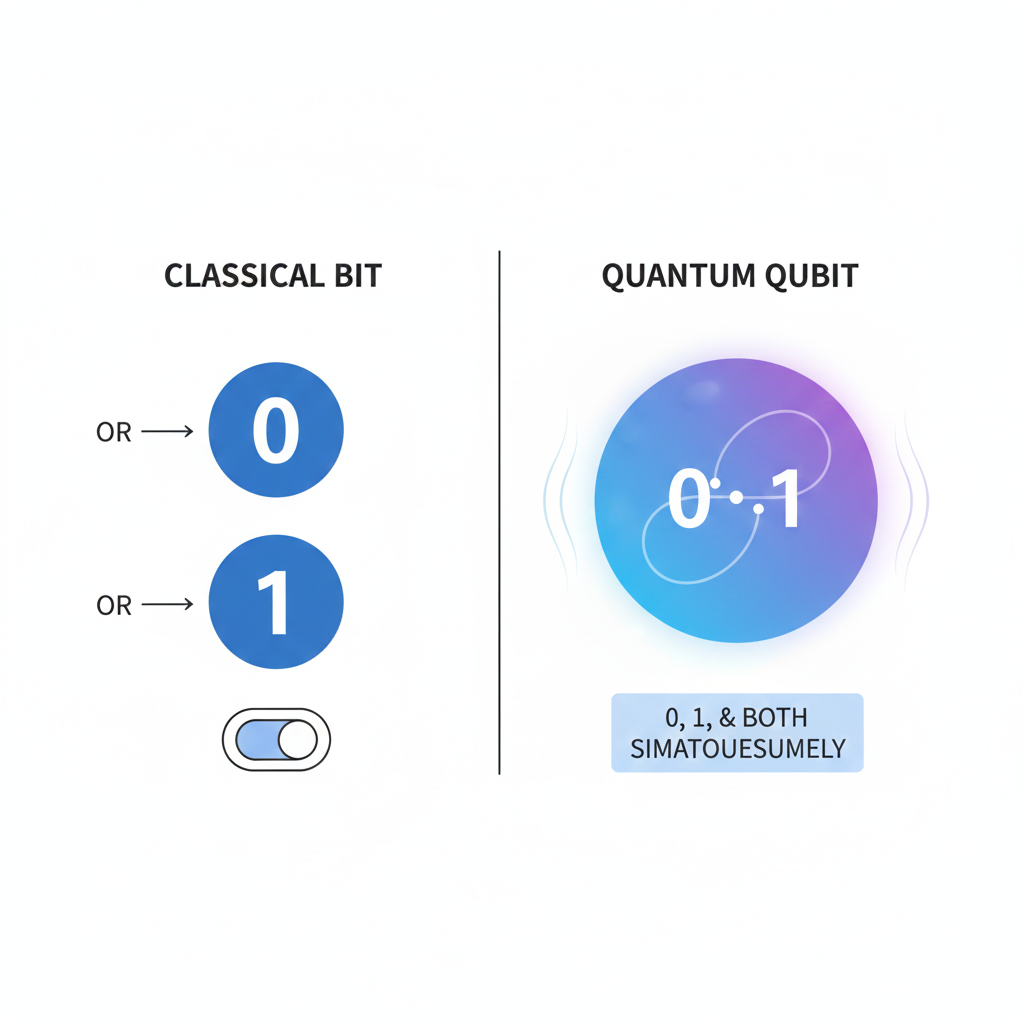
Traditional computers use bits, which exist as either:
- 0
- 1
Quantum computers use qubits, which can exist as:
- 0
- 1
- Both 0 and 1 at the same time
This unique ability allows quantum computers to process massive amounts of information simultaneously.
Key Quantum Concepts Explained Simply
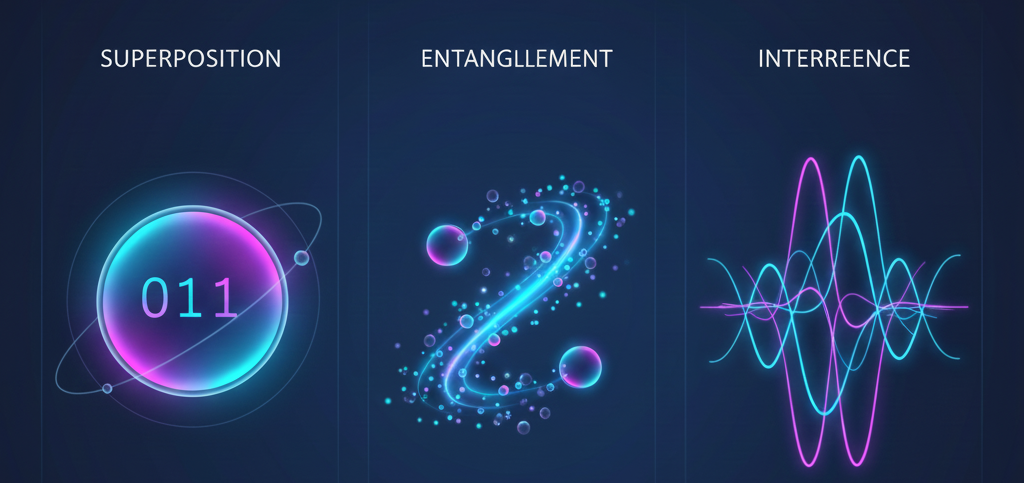
1. Superposition
A qubit can hold multiple states at once, unlike a classical bit.
This allows quantum computers to explore many solutions simultaneously.
2. Entanglement
Qubits can become linked so that the state of one instantly affects another—even across long distances.
This enables faster and more efficient data processing.
3. Quantum Interference
Quantum systems can amplify correct answers while canceling out incorrect ones, improving accuracy.
Why Is Quantum Computing Important in Real Life?
The real power of quantum computing lies in solving problems that classical computers cannot.
Real-World Applications of Quantum Computing
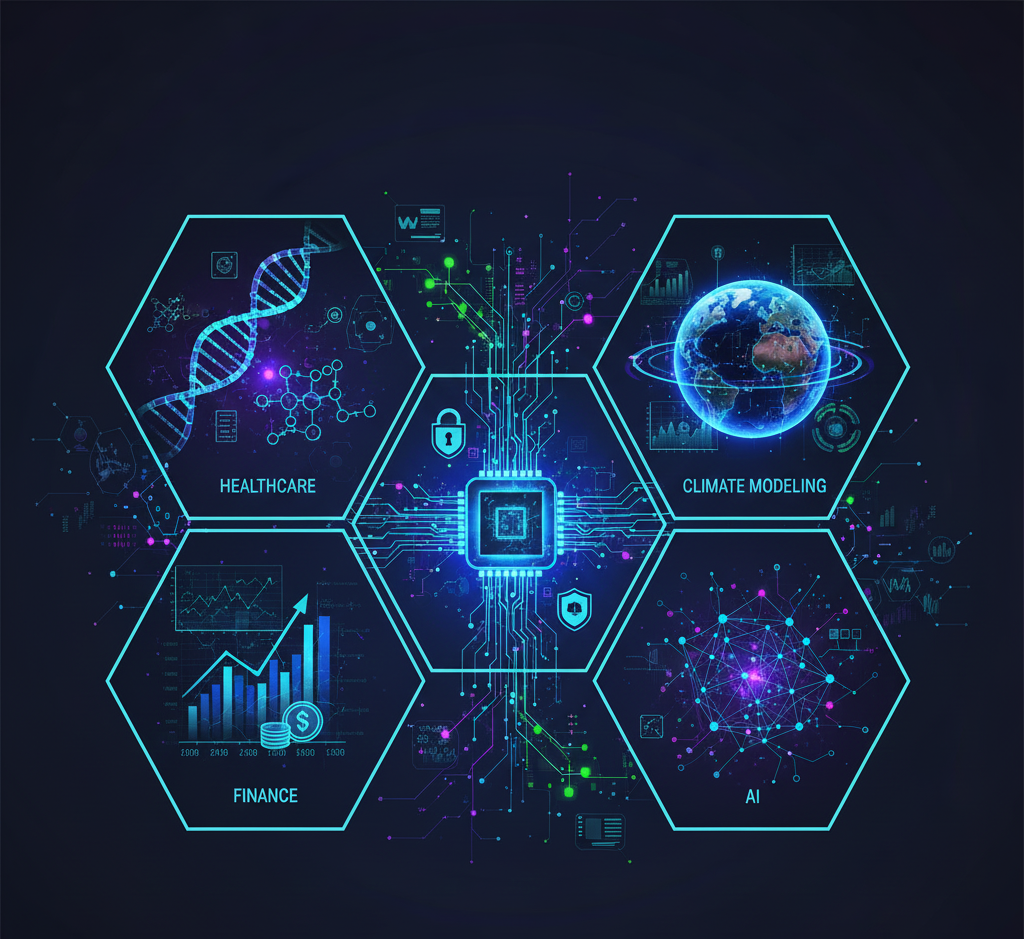
1. Healthcare & Drug Discovery
Quantum computers can simulate molecular interactions at an atomic level, helping scientists:
- Design new medicines faster
- Reduce drug development costs
- Find cures for complex diseases
2. Climate Change & Sustainability
Quantum computing helps model:
- Climate systems
- Weather patterns
- Energy optimization
This can lead to better climate predictions and sustainable solutions.
3. Cybersecurity & Encryption
While quantum computing can break existing encryption methods, it also enables:
- Quantum-safe cryptography
- Highly secure communication systems
4. Finance & Risk Analysis
Banks and financial institutions use quantum algorithms for:
- Portfolio optimization
- Fraud detection
- Market forecasting
5. Artificial Intelligence & Machine Learning
Quantum computing enhances AI by processing vast datasets faster and improving learning efficiency.
Why Students Should Learn Quantum Computing
Quantum computing is not just for scientists—it’s a future skill.
Benefits of Learning Quantum Computing for Students
- Develops advanced problem-solving skills
- Strengthens logical and analytical thinking
- Connects physics, mathematics, computer science, and AI
- Builds a future-ready mindset
- Opens doors to high-growth careers
Even basic conceptual understanding gives students a strong competitive advantage.
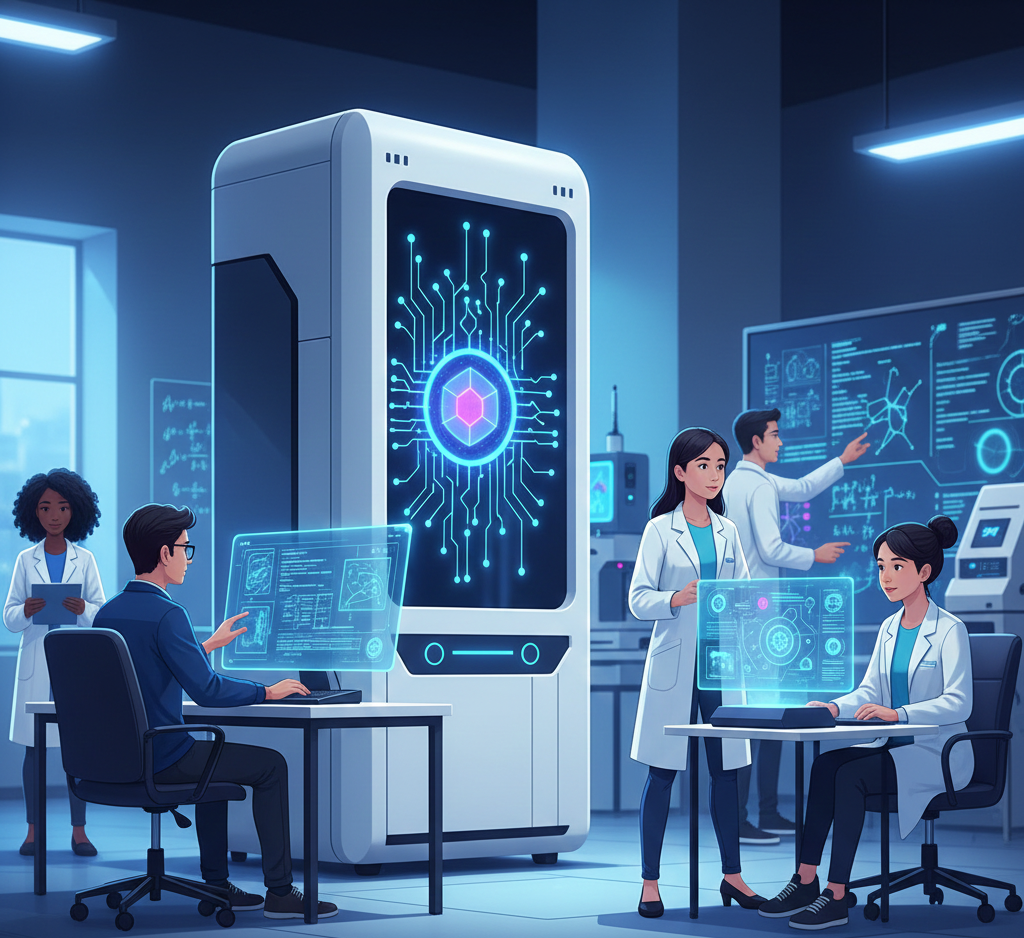
Career Opportunities in Quantum Computing
Quantum computing is creating new career paths across industries.
Popular Career Roles
- Quantum Software Developer
- Quantum Algorithm Researcher
- Quantum Hardware Engineer
- Data Scientist with Quantum Skills
- Research Scientist
- Cybersecurity Specialist
Industries Hiring Quantum Talent
- Technology & AI
- Healthcare & Pharma
- Finance & Banking
- Government & Defense
- Research Institutions
According to industry reports, quantum computing professionals are among the highest-paid emerging tech roles globally.
Pros and Cons of Quantum Computing
Advantages
- Solves extremely complex problems
- Faster computation for specific tasks
- Breakthrough innovation potential
- Drives scientific discovery
Limitations & Challenges
- Expensive hardware
- Requires extremely low temperatures
- Limited real-world deployment today
- Shortage of skilled professionals
Quantum computing is powerful, but still evolving.
Common Mistakes Students Make When Learning Quantum Computing
- Thinking it replaces classical computing
→ It complements, not replaces it. - Trying to learn advanced math first
→ Concepts matter more initially. - Ignoring interdisciplinary learning
→ Quantum computing blends physics, CS, and math. - Waiting for the “right time”
→ Early exposure creates long-term advantage.
Future Trends in Quantum Computing
The next decade will redefine technology.
What’s Coming Next?
- Quantum-as-a-Service (QaaS)
- Hybrid classical-quantum systems
- Quantum-safe cybersecurity standards
- Wider access through cloud platforms
- Integration with AI and machine learning
Global tech leaders and governments are investing billions into quantum research, signaling its long-term impact.
How Students Can Start Learning Quantum Computing
You don’t need a quantum computer to begin.
Beginner-Friendly Learning Path
- Understand basic quantum concepts
- Learn linear algebra fundamentals
- Explore Python and quantum simulators
- Follow university and industry research
- Join student communities and workshops
Platforms like IBM, Google, and academic institutions already provide free learning resources.
Frequently Asked Questions (FAQs)
What is quantum computing in simple words?
Quantum computing is a new way of computing that uses quantum physics to solve complex problems faster than traditional computers.
Is quantum computing hard to learn?
The advanced math can be challenging, but beginners can easily understand the concepts with the right guidance.
Do I need physics to learn quantum computing?
Basic physics helps, but students can start with conceptual understanding and programming tools.
Is quantum computing the future?
Yes. While still developing, quantum computing is expected to revolutionize multiple industries.
Can students build a career in quantum computing?
Absolutely. Demand for quantum-skilled professionals is growing rapidly worldwide.

Conclusion: The Future Belongs to Quantum Thinkers
Quantum computing is not just another technology trend—it’s a paradigm shift.
For students, learning quantum computing is less about mastering machines and more about learning how to think differently—embracing complexity, uncertainty, and innovation.
At Edvicon, we believe that future leaders are shaped by the skills they start building today. Understanding quantum computing today means being ready for tomorrow’s opportunities.
Actionable Takeaways
- Start learning quantum concepts early
- Focus on problem-solving, not memorization
- Explore interdisciplinary skills
- Stay curious and future-focused
✨ Quantum computing isn’t the future—it’s the next step.